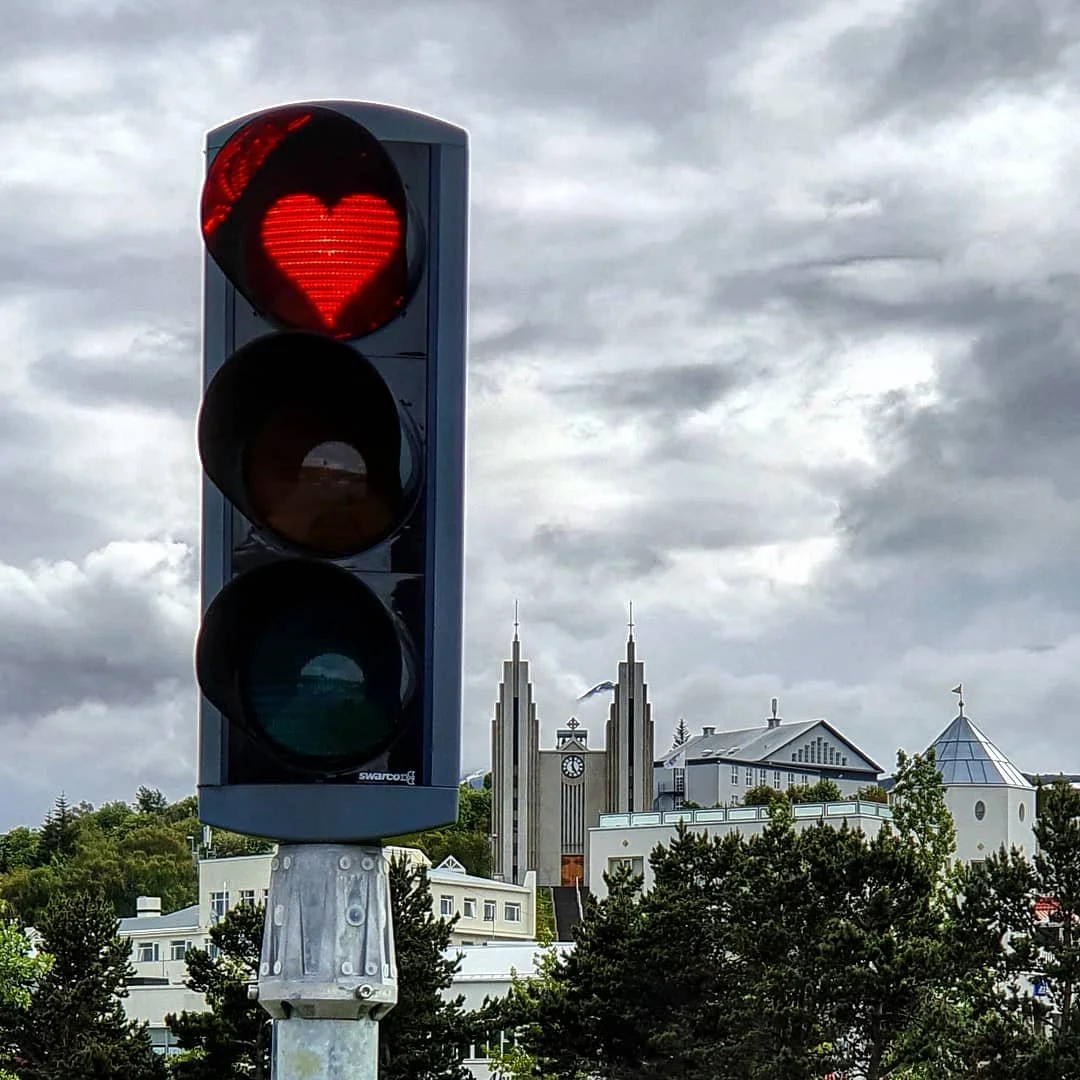

Caregiver Tip - Learn About The ❤️ Effect - Science and Spirituality Combined
The trend of "looking for hearts," popularized by figures like Mel Robbins, isn't just a quirky outdoor scavenger hunt—it's a deliberate psychological tool. Mel Robbins often shares this practice as a way to "retrain your brain." This is helpful for everybody, but I found it at a time I needed it most while in the depths of caregiving for my Mother back in 2022.
Here is a look at what this trend actually means and why it has become so popular. I still enjoy this habit each day, years later!
1. The Science: The Reticular Activating System (RAS)
The RAS is a bundle of nerves at the base of your brain that acts as a gatekeeper. It filters out the millions of data points you encounter and only lets in what it thinks is important to you.
• The Trend Logic: If you tell your brain, "I want to see hearts," your RAS begins to prioritize that shape. Suddenly, you "stumble upon" heart-shaped rocks, leaves, or clouds that have always been there, but were previously filtered out.
• The Meaning: It proves that you see what you look for. If you look for reasons to be annoyed, you’ll find them. If you look for symbols of love or "little secrets" from the universe, your brain will deliver those instead.
2. Mindfulness as a "Scavenger Hunt"
Mel Robbins describes looking for hearts as a way to turn your life into a scavenger hunt.
• Staying Present: You can't find a heart-shaped petal if you’re staring at your phone or ruminating on a past mistake. It forces you into the "now."
• The Dopamine Hit: Finding a heart provides a small, natural spike in reward chemicals. It’s a low-stakes way to practice "finding the good" in a world that often feels heavy.
3. A Spiritual "Wink" from the Universe
For many, the trend goes beyond biology into the emotional or spiritual realm.
• Connection: People often interpret these shapes as a "sign" that they are on the right path or that a lost loved one is watching over them.
• Combatting Loneliness: Robbins emphasizes that looking for hearts helps you feel like the world is a friendlier place. It changes your relationship with your environment from one of "me vs. the world" to "me in conversation with the world."
"Looking for hearts will turn your life into a scavenger hunt where you wake up every day knowing at some point... you’ll stumble across that little secret heart you’re meant to find." — Mel Robbins
Try it for 30 days- here’s how!
This 30-day challenge is designed to move you from "auto-pilot" to "intentional awareness." Based on the principles shared by Mel Robbins, the goal isn't just to find hearts; it’s to prove to yourself that you have the power to change what you notice in the world.
The 30-Day "Heart Hunt" Guide
Phase 1: Wake Up Your Brain (Days 1–10)
In the first ten days, you are simply training your Reticular Activating System (RAS). You’re telling your brain that hearts are now "important data."
• Daily Goal: Find one heart every day.
• Where to look: Start easy. Look at your morning coffee foam, the negative space between branches, friendly emojis, or a pattern on a rug.
• The Action: When you find it, stop for 5 seconds. Acknowledge it by saying (out loud or internally), "I see it." This "locks in" the neural connection.
Phase 2: The Nature Connection (Days 11–20)
Now that your brain is primed, take the hunt outdoors. This phase focuses on grounding and mindfulness.
• Daily Goal: Find a heart specifically in a natural element.
• Where to look: A leaf with a bite taken out of it, a stone in the gravel, or a knot in a tree trunk.
• The Action: Take a photo of your "Found Heart." Seeing a digital gallery of these hearts at the end of the week serves as physical proof that beauty is everywhere if you look for it.
Phase 3: The Perspective Shift (Days 21–30)
In the final stretch, we move from finding hearts to feeling the meaning behind them. This is where the trend becomes a tool for resilience.
• Daily Goal: Find a heart during a moment of stress or transition.
• The Challenge: If you’re stuck in traffic or feeling overwhelmed, consciously look for a heart shape. Advertisements, email or text dialogue. While traveling in Iceland last summer, even their traffic signs are in shapes of hearts- that was such a simple, sweet surprise. 🥰
• The Action: Use the heart as a "reset button." When you find it, take a deep breath and tell yourself, "I am supported." You are training your brain to seek "the wink from the universe" exactly when things feel difficult.
Pro-Tips for Your Hunt:
1. Don’t Force It: Some days you’ll find ten; some days you’ll find none. If you can't find one, create one (arrange two spoons or draw one in the dust). This teaches your brain that you can create the positivity you need. Send a message of love with a 💕- you can be part of creating the habit too!
2. Share the Signal: Text your "found heart" photos to a friend. It turns the practice from a solo habit into a shared language of "I’m thinking of you."
3. The "Cloud" Rule: Clouds are the "bonus round." Because they move and change quickly, finding a heart in the sky requires the highest level of present-moment awareness.
Here’s a great place to start- follow on Facebook to see where others are finding hearts in your social feed. 💖
https://www.facebook.com/share/g/1C8j7aQHmk/?mibextid=wwXIfr