
Navigating the Long Goodbye: Understanding Grief and Cognitive Decline
Watching a loved one navigate the journey of Alzheimer’s or dementia is one of the most profound challenges a family can face. It is a unique experience—often described as "the long goodbye"—because you are mourning the loss of the person you knew while they are still physically present.
If you are currently walking this path, please know that your feelings are valid, and you are not alone. Understanding the emotional landscape of this journey is the first step toward finding peace.
Understanding the Grief: Anticipatory and Compound
When we think of grief, we often think of the finality of loss. However, with cognitive decline, grief is a constant, evolving companion.
• Anticipatory Grief: This is the deep, pervasive sadness that occurs before a loss actually happens. You may find yourself grieving the loss of future plans, memories you won’t make together, or the simple comfort of shared understanding. It is a preparation for the inevitable, yet it often leaves us feeling unmoored.
• Compound Grief: Dementia is a series of "little deaths." Every time a loved one forgets a name, loses a skill, or struggles to recognize a familiar face, a new layer of grief is added. This is compound grief—the accumulation of many small losses that build upon one another, making the emotional burden feel increasingly heavy.
The Science Behind the Decline
It is important to remember that these changes are not a choice. Understanding the biological reality can sometimes help alleviate the frustration or confusion that caregivers feel.
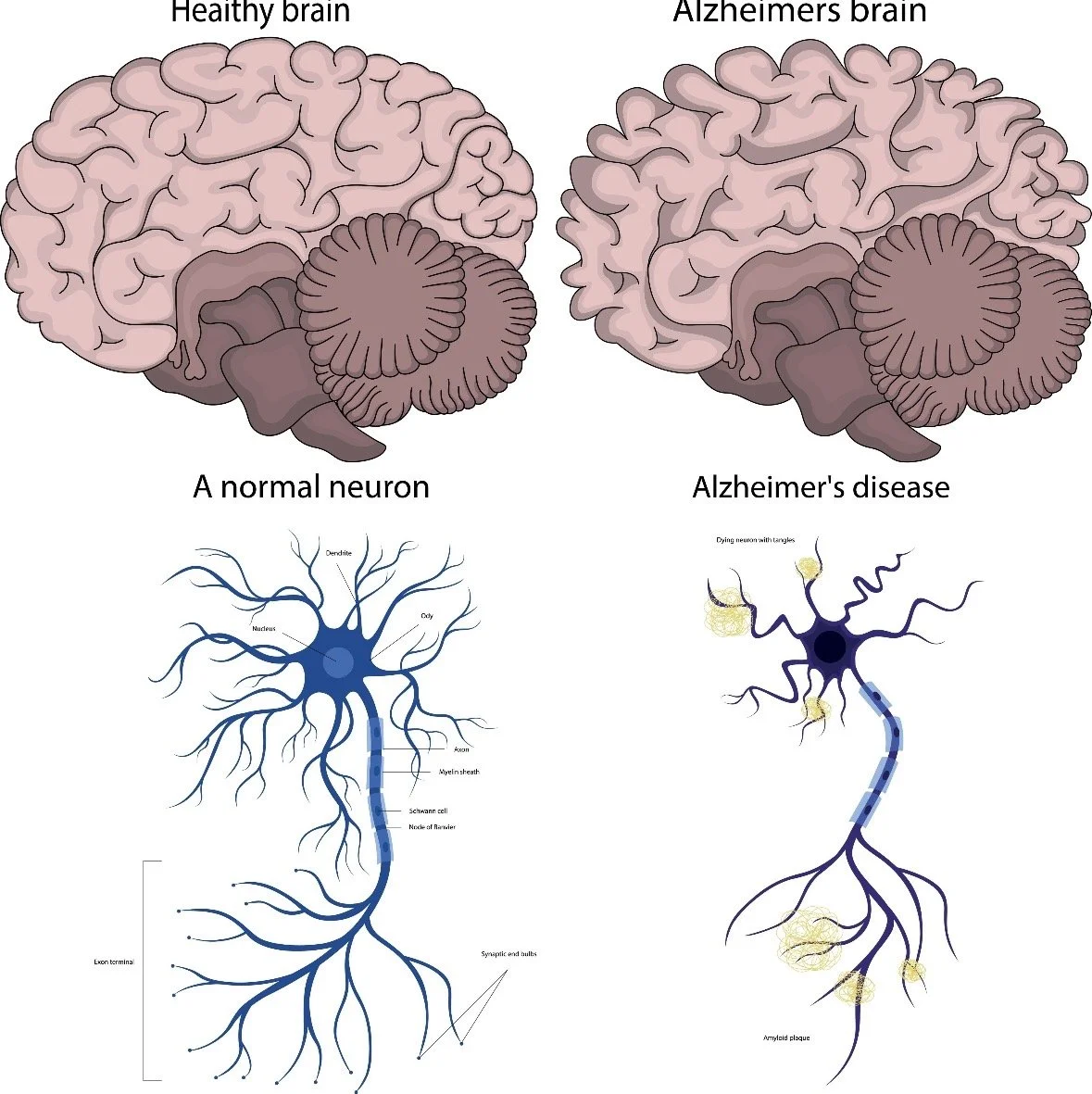
Alzheimer’s disease and other dementias are fundamentally physical changes in the brain. As these conditions progress, proteins like amyloid and tau accumulate in the brain, forming "plaques and tangles." These clusters interrupt the communication between nerve cells, eventually leading to cell death. When you see your loved one struggling with memory or personality changes, remind yourself: This is the disease, not the person. They are not trying to be difficult; they are navigating a world that has become increasingly fragmented.
How to Alleviate Worry and Live in the Moment
Living in the moment with a loved one who has dementia is an act of courage. It requires shifting your focus from who they were to who they are right now. Here are a few ways to foster gratitude and peace in your daily interactions:
• Practice "Emotional Matching": People living with dementia often lose the ability to process complex logic but retain a heightened sensitivity to emotion. If they are anxious, match their energy with calm. If they are joyful, share in that joy completely. Don't worry about correcting them if they are in a different time or place; simply be with them where they are.
• Engage the Senses: When words fail, senses succeed. Music, the smell of a favorite meal, the texture of a soft blanket, or looking through old photo albums can trigger positive emotional responses that bypass the need for short-term memory.
• Focus on Small Wins: Gratitude is found in the micro-moments. A shared smile, a peaceful afternoon in the sun, or a successful meal are victories. Celebrate the connection, however small, rather than focusing on the deficits.
• Release the Guilt: You cannot "fix" the disease, and that is not your job. Your job is to provide presence, safety, and love. Forgiving yourself for feeling frustrated, tired, or impatient is a necessary part of your own care.
You Don't Have to Do This Alone
Navigating the complexities of senior care, memory support, and the emotional toll of family transitions is incredibly difficult to do on your own. You deserve a partner who understands the local landscape and can help you find a community where your loved one can be supported with dignity and compassion.
If you are feeling overwhelmed or simply need guidance on the next steps for your family, we are here to help. As your trusted Omaha Senior Living Advisor, we provide personalized support to match your loved one with the right care environment.
Contact us today to schedule a consultation. Let us handle the details so you can focus on what matters most: your time together.